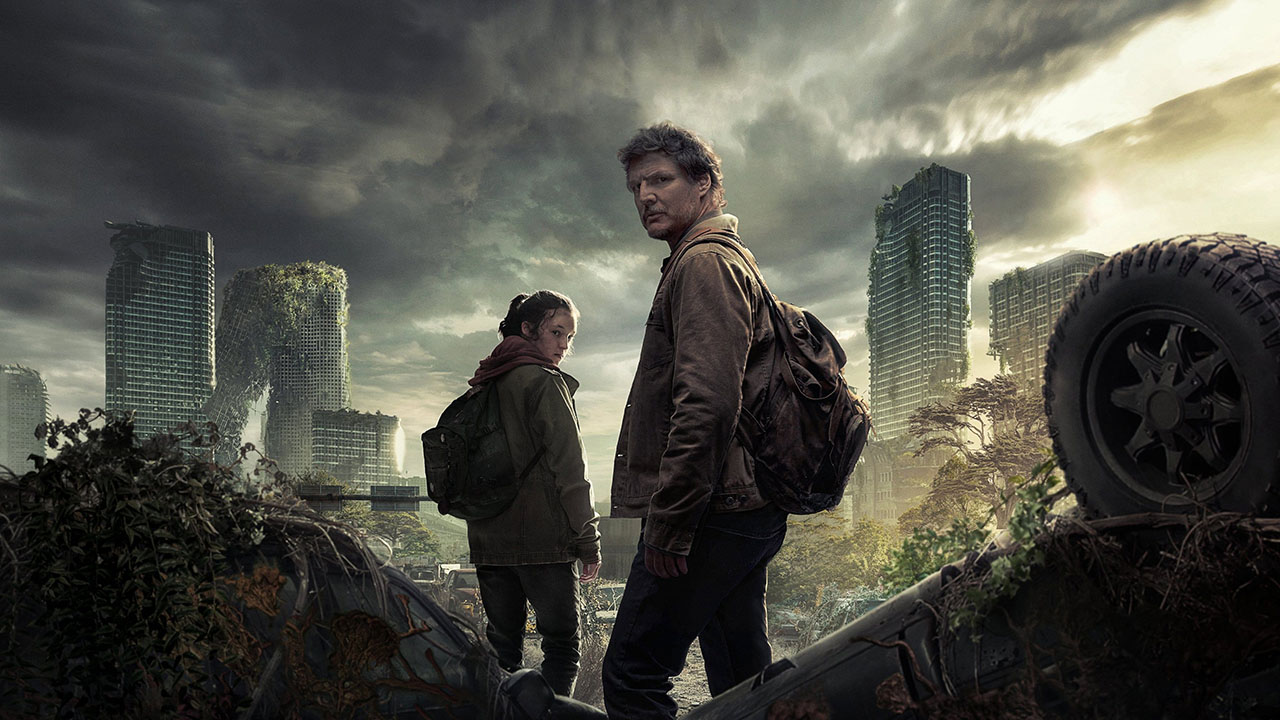
This blog has long enjoyed horror trash, including the zombie subgenre. Aside from one early standout episode (more on this later), The Last of Us was nothing we haven’t seen before; just another zombie show.
It ultimately amounted to little more than an episodic road trip through a post-apocalyptic wasteland, fighting off the monster and/or bandit of the week. It was fancy Walking Dead, for snobs who would never be caught (un)dead watching the long-running AMC horror-tinged soap opera — but with a luxe budget, overqualified guest stars (typically booked for one episode max), and an air of pretentious nihilism in place of camp melodrama.
The Last of Us was not even the best post-apocalyptic show on HBO, with that distinction clearly belonging to Station Eleven — and if you broaden your definition a little, Watchmen and The Leftovers. It’s not even a standout in the realm of prestige TV anti-heroes, especially considering how HBO itself pioneered the art with Tony Soprano, Omar, and Al Swearengen.
By the “standout episode” above, I am referring to “Long, Long Time”, starring Murray Bartlett and Nick Offerman as two men finding love and companionship after the end of the world. Criminally, a guest star of similar clout, Melanie Lynskey, was not afforded the same attentions. She played a thinly-drawn despot, who might have made a passable temporary antagonist on The Walking Dead. Worse, her character’s death was played for comedy, or as a kind of just-desserts moral justice, which is just insulting to the audience’s intelligence.
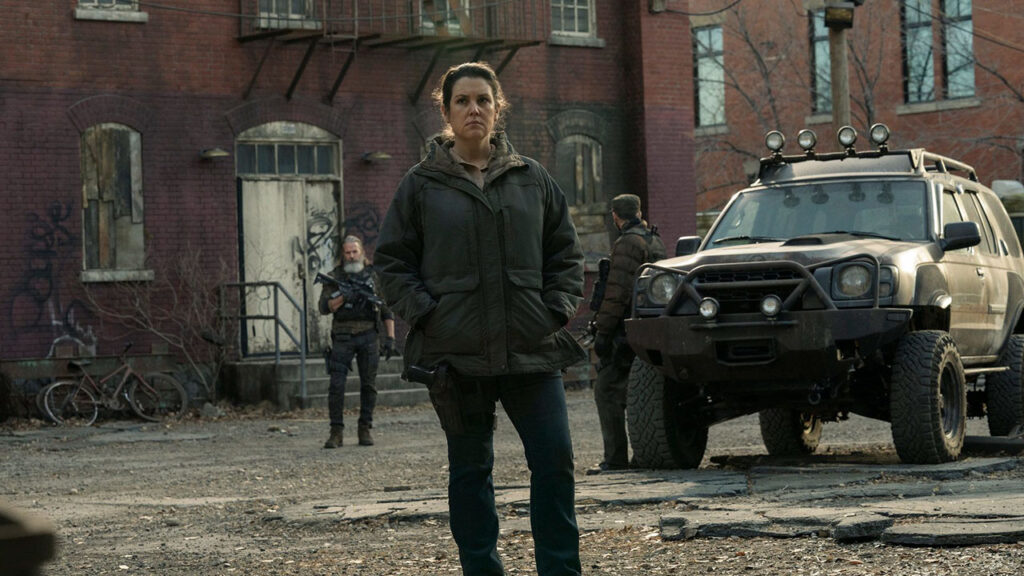
The Last of Us might be notable if it was comprised of more self-contained short stories like “Long, Long Time”, with room for real character studies. But across a scant nine episodes, the plots are boringly repetitive: each ad hoc society our heroes encounter always turns out to be a malevolent dictatorship, and the featured guest star always dies at the end. With only one real banger of an episode, The Last of Us is like an album with one hit single, and the other tracks are all skips.
And finally, spare me the pedantic debates over whether or not the fungi creatures in The Last of Us qualify as zombies. This is a distinction without a difference, and a zombie by any other name is a zombie. This line of overly-literal thinking would also disqualify 28 Days Later and The Crazies from the canon, which is just silly. Call it Night of the Living Mushrooms if it makes you feel better.

