Tag: Bob Dylan

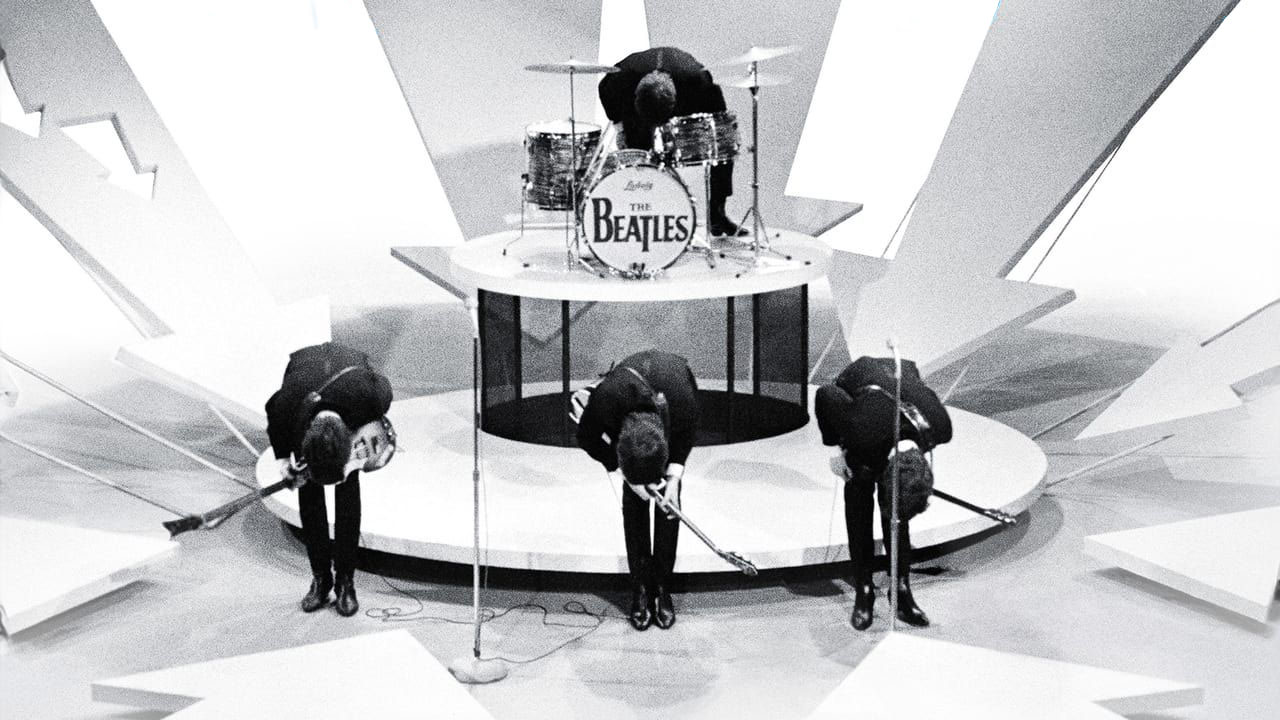
  • The Beatles were the right thing at the right time and place, in Beatles ’64

    The Beatles were the right thing at the right time and place, in Beatles ’64

    As long as The Four Lads From Liverpool LLC Inc. © ™ remains a commercial entity expected to release new product every year, and the amount of unreleased material in the vaults is approaching zero, it’s easy to dismiss David Tedeschi & Martin Scorsese’s Beatles ’64 as a cynical attempt to squeeze an entire feature-length movie out of a few scraps of unused footage.

    But judged on how well it argues its thesis, it does the job: typical American teenagers were lost and disenchanted in the mid-60s, and it just so happens that The Beatles were the right thing at the right time. The film builds empathy for some of these kids in a series of new interviews with them as adults, recollecting what the band meant to them.

    Parents and other authority figures didn’t know what to make of their teenage daughters suddenly screaming and crying incoherently, and to an extent, neither do we today. Even Gen X fans like me — brought into the fold by the 1995 Anthology TV documentary series, and fervent enough to have all the albums, in stereo and mono — often think the mythology is overblown. The evidence is there on film: yes, at least some teenagers really did have episodes that in medieval times might have been deemed possession.

    Beatles ’64 does help us understand what it might have felt like for 1960s American teens to not have anything to call their own — not only fashion, hair styles, celebrity sex symbols, and music, but an actual generational identity. These days, a new generation is declared seemingly every few years, to the point where we’ve run out of Roman letters and rolled over into the Greek alphabet. But the nascent generation emerging circa 1964 really did seem to be different, with an especially large amount of suppressed energy. A cultural bomb was primed to go off — and The Beatles appeared on national television at exactly the right moment to ride the shockwave.

    Whenever I read about or watch documentaries about 60s music, I’m always struck at how much the establishment openly hated young people. Like D. A. Pennebaker’s Don’t Look Back did for Bob Dylan, this doc reminds us of the breathtaking condescension and outright contempt The Beatles (and their fans) faced from the media. Today, any outrageous or merely unconventional new musical act is met with a shrug at most. Madonna publishing a pornographic art book, or Lady Gaga wearing a gown of raw beef might raise a few eyebrows for one short news cycle, but in 1964 America, The Beatles were talked about like a disease.

    But some perspective: The Beatles were a great band of four fascinating personalities, that hugely innovated on their inspirations, never stopped growing and evolving, and broke up before it all got stale. But still, they were just a band, and there were (and are) bigger problems in the US than discontented teens. The kids that lost their minds over The Beatles in 1964 were lucky that their primary concerns were not oppression by racism or poverty.

  • Todd Haynes deconstructs Bob Dylan in I’m Not There

    Todd Haynes deconstructs Bob Dylan in I’m Not There

    I always find it interesting to ponder my preconceived notions of a movie after I’ve actually seen it. The marketing and buzz on I’m Not There mostly centered on two talking points: the quirky device of multiple actors all playing incarnations of Bob Dylan, and Cate Blanchett being just plain amazing as usual (what else is new?). The first point is what gave me pause: how much sense would this film make to someone who is not a Dylan fan and scholar?

    All I really know about Dylan comes from the Martin Scorsese documentary No Direction Home, and even that paints a sketchy picture of the man. Dylan has been an enigma throughout his long history in the public eye, often speaking in riddles, and (at least in his early years) inventing a fictional backstory. The press and even his own paying audiences were often openly antagonistic, so it’s no wonder he was so famously combative and evasive. Prefiguring the modern-day chameleons David Bowie and Madonna, Dylan presented a series of personas: American roots folkie, political agitator, rock ‘n’ roller, born-again Christian, Hollywood actor, and so on. The question being: how much of this evolution was sincere growth and change, and how much was performance art? Who is “Bob Dylan”?

    Cate Blanchett in I'm Not There
    An Oscar nomination’s a-gonna fall

    Director and co-screenwriter Todd Haynes, having already deconstructed David Bowie in Velvet Goldmine, tackles the many aspects of Dylan perhaps the only way possible: fracture his key facets into multiple characters. As with the Bowie analogue Brian Slade in Velvet Goldmine, none of the Dylan figures are actually named Dylan, but then again neither is Dylan himself, whose actual surname is Zimmerman. Christian Bale plays Jack Rollins, interpreting Dylan’s Christian period, and Richard Gere plays Billy the Kid, a pretty literal interpretation of Dylan’s years in the wilderness after his fame peaked for the first time. Adding an extra layer of postmodern complexity, the late Heath Ledger plays Robbie Clark, a film actor famous for playing one of the fictional Dylans in a biopic. And of course, Cate Blanchett is amazing. As Jude Quinn, a reluctant celebrity fending off the attacks of the press, she triumphs by avoiding mere impression. Sure, she’s wearing a fright wig and shades, but her expressions and body language capture Dylan’s paradoxically wordy elusiveness.

    The result is part faux documentary, part fiction, but provides a truer overall picture of Dylan’s complicated character than a mere biopic ever could. Perhaps at some point after his death (may that be a long time from now), we will see a conventional musical biopic made of his life story (a la Bird, Ray, or Walk the Line), but I certainly hope critics and audiences will remember I’m Not There.

    Heath Ledger in I'm Not There
    Hey mr. guitar man

    The DVD edition is the only I can think of that incorporates long on-screen text introductions (more than one, in fact). Does this reflect a lack of confidence on the part of the filmmakers or distributors in the home viewers being able to comprehend the film, or is it more in the vein of the scholarly introductions that preface Penguin Classics volumes? Either way, it only reinforces the impression that you have to be a Dylan scholar to appreciate the film (which, incidentally, turned out to not be the case).

    And finally, I detected a few references to director Richard Lester: Robbie Clark (Ledger) walks through the set of the 1968 film Petulia, during an early scene in which women in neck braces leave a freight elevator before a party to promote highway safety (attended by the likes of George C. Scott, Julie Christie, and the Grateful Dead, so it’s not at all unlikely Dylan could have been there too). But even better is the best Beatles tribute I’ve ever seen: the Fab Four breeze through as the epitome of carefree fun, literally speaking and moving in fast-motion. They tempt Jude Quinn’s (Blanchett) desire to escape, until they are chased away by A Hard Day’s Night‘s screaming sycophants.