
Late 2023 saw one of my most wished-for music releases: the reissue of the cult band No-Man’s earliest recordings (well, most of them — more on that later). Housekeeping: The OLI Years 1990-1994 contains five discs of long-out-of-print music, a boon to any other fans eying the pricy vintage copies on eBay and Discogs.
A quick programming note: I wrote most of the following review shortly after it was released, and have much-belatedly completed it now.
The band and its individual members Tim Bowness, Steven Wilson, and Ben Coleman are famously independent-minded, so when this boxed set was first announced, I incorrectly assumed that the band had finally reacquired the rights themselves, but evidently the situation is more complex than that. It is not only subtitled “The OLI Years”, but is in fact actually released on One Little Independent Records. As you can read in the liner notes and elsewhere, to sign with OLI in the early nineties was a coup for any new band, as the label was known at the time for artsy dance-oriented pop like Björk and The Shamen. But the band was never able to reconcile their musical identity with label demands, and have since operated largely independently.
The continued OLI association may explain the conspicuous absence of the contemporaneous remix album Flowermix, which had its origins as a mail-order cassette. Not to mention, also why there are no previously-unreleased, unless you count the entirely separate but simultaneous release Swagger: Lost Not Lost Volume One: 1989/1990, on the Burning Shed label.
An aside, on that topic: Swagger includes all four tracks from the 1989 cassette EP of the same name, so I suppose you could think of it either as a reissue with bonus tracks, or a new album-length compilation. Its Volume One subtitle was tantalizing, and indeed, a second volume, Scatter, appeared in 2026. I hope further archive releases are planned, perhaps including Flowermouth or any other interesting bits & pieces that may be in the archives.
But on the other hand, period BBC radio sessions are included in Housekeeping, despite also having been released independently in 1998. To speculate: maybe these recordings had to be licensed from the BBC, and that’s expensive and complicated? I’m certainly not going to pretend to understand the intricacies of music publishing, but I did scratch my head over what has been included in Housekeeping and what hasn’t. But enough about that! The good news is: we now have so much of this hard-to-find music now in one place, looking and sounding great.
Speaking of, the overall package is uncommonly excellent. It would not have been a marketing exaggeration to classify the booklet as a proper book: it’s beautifully designed, includes copious liner notes (both historical and personal), is printed on fancy paper stock, and obvious care was taken with reproductions of period sleeves, clippings, photos, and detailed musician credits. It’s a pet peeve of mine when reissues don’t get this correct — even the recent expansive Robert Fripp boxed set Exposures relegated the musician credits to a cardboard insert, and even that appears to be incomplete and inaccurate. The Housekeeping liner notes do an excellent job of explaining what’s what, and where everything was first released. I also appreciate that the package is a tasteful overall size: large enough to be a luxury design object, but compact enough to not dominate your shelf.
Reading the period reviews is fascinating, and sometimes hilarious. The band received unqualified raves for their earliest singles “Colours” and “Days in the Trees”, but it seems that they never again enjoyed such attention from the music press, despite apparently having sold fairly well. To an American such as myself, the regionalism against Hemel Hempstead and the utter hatred for The Happy Mondays is puzzling, but both of these touchstones were evidently extremely important to music fans and critics at the time. I personally have no opinion about The Happy Mondays beyond having seen Shaun Ryder perform with Gorillaz once. And the derogatory attitude towards Hemel Hempstead means nothing to me — perhaps the equivalent for a New York City band would be if they hailed from a sleepy part of Yonkers, as opposed to a hipster area of Brooklyn?
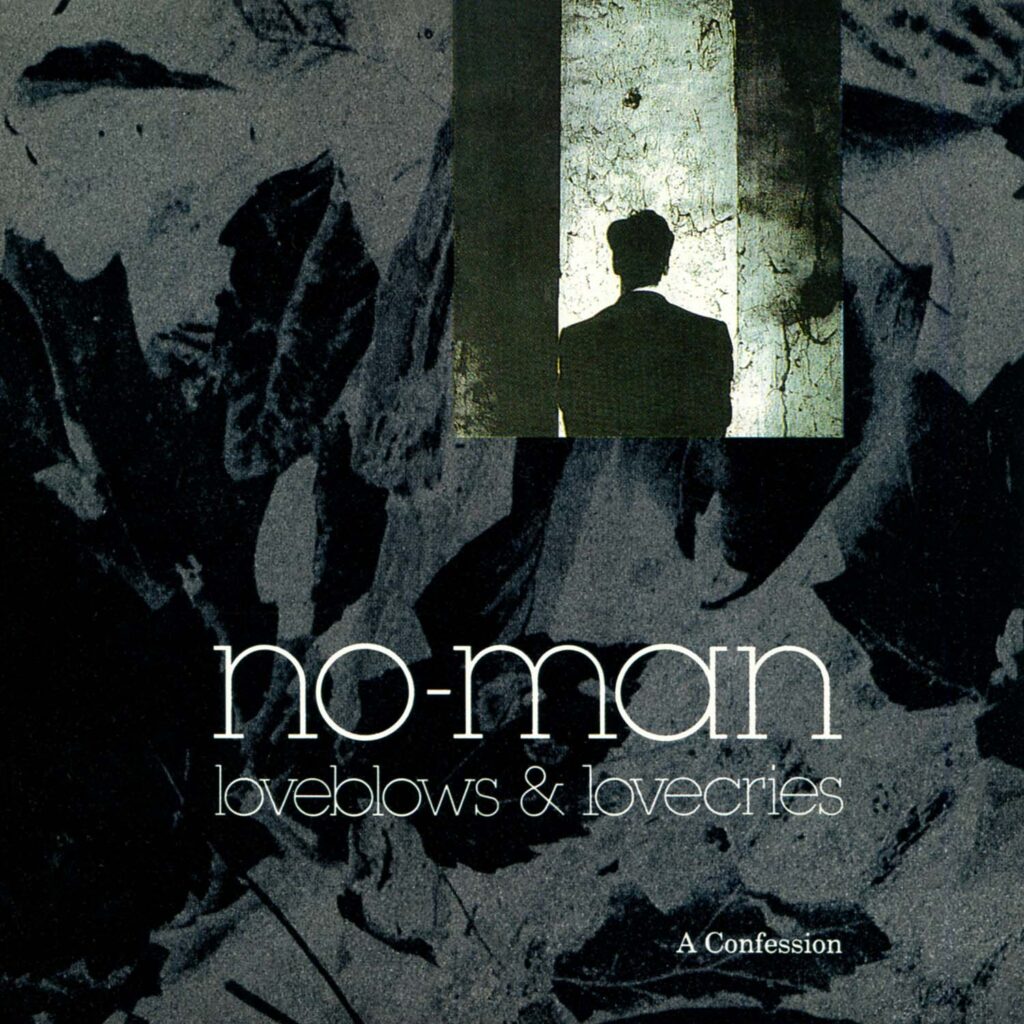
Those seeking more juicy details of the band’s history might seek out the 2010 feature-length documentary Returning. In it, Coleman reveals he and Bowness didn’t get along from the beginning, culminating with him leaving after recording Flowermouth. I recognize there’s a whole genre of rockumentary that revels in the soap opera of interpersonal animosity amongst bandmembers, emblematized by VH1’s Behind the Music. But I personally often feel saddened when I learn of this kind of strife. It can retroactively color my experience of the music. I feel similarly when Wilson expresses some embarrassment about their juvenilia, even if it may be understandable considering their later achievements — in his case, with the blockbuster success of his at-the-time side project Porcupine Tree. But to return to the reviled Shaun Ryder again, the documentary Returning also reveals that No-Man chose to cover the Donovan song “Colours” in part to preempt The Happy Mondays’ plans to cover it themselves.
Several previous No-Man reissues have been cases in revisionist history: most notably the largely re-recorded Speak, a few revised tracks on reissues of Flowermouth, and completely new artwork for Wild Opera. Considering all this, and given Wilson’s expertise in surround mixing, I’m a little surprised that Housekeeping does not include any new stereo or surround mixes. The lush complexity of Flowermouth is surely a prime candidate for surround sound, especially considering the increasing demand for Atmos mixes on modern streaming services. But on the other hand, the completists out there don’t have to fret about having further mixes to keep straight in collections.
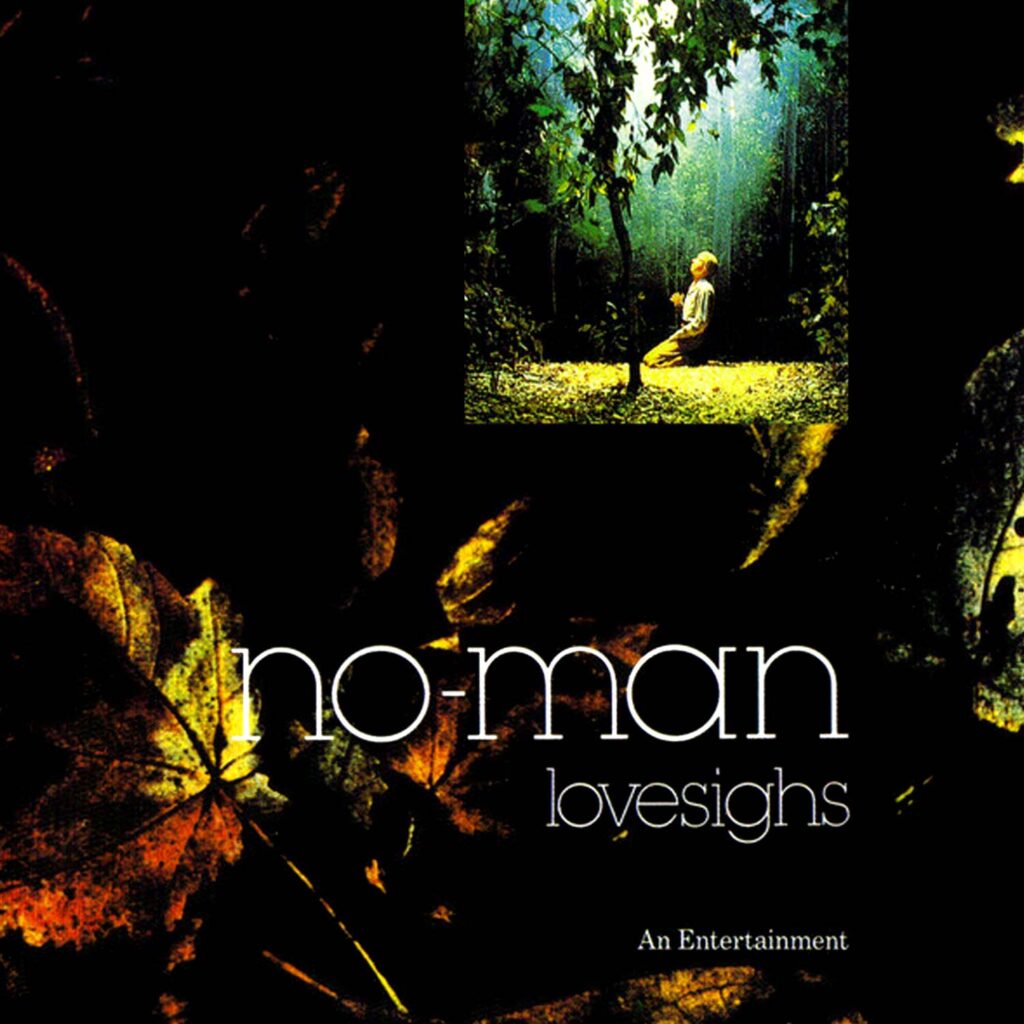
On the topic of mixes, one specific example I did not know despite being a longtime fan: the US edition of the 1991 mini-album Lovesighs included a unique mix of “Days in the Trees”, which appears on Housekeeping in place of the absent UK mix. For the true completists out there, it seems that there is also a third distinct mix on the 2006 All the Blue Changes compilation. And let’s not get into the confusing array of mixes, remixes, and edits of “Heaven Taste”. Housekeeping includes only the longest version, so I take that to mean the band considers it definitive.
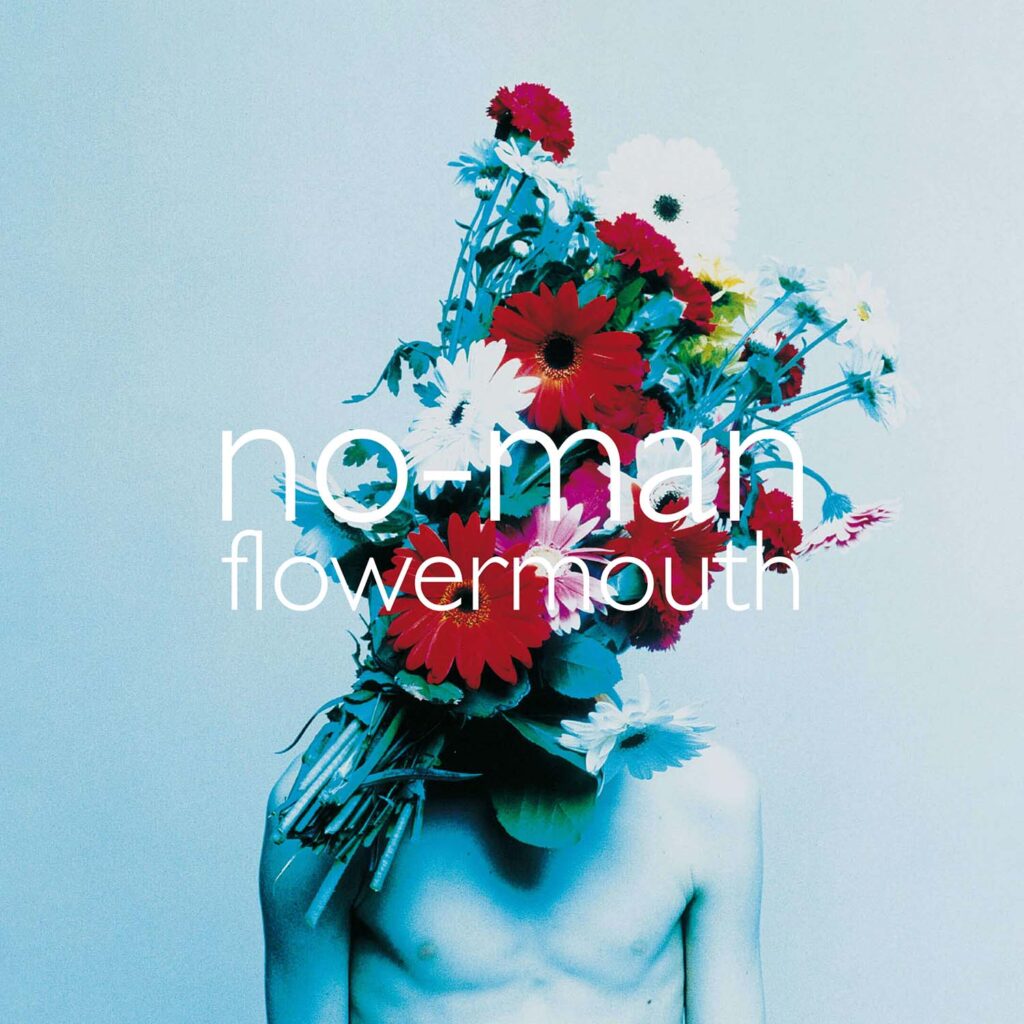
Of everything included here, my outstanding personal favorite is Flowermouth. I fully understand that the band and many fans rightly consider their later albums like Together We’re Stranger and Schoolyard Ghosts to be more sophisticated and mature, and I don’t disagree, but I will always have a special affection for Flowermouth — I happened to buy it at a rough time in my life, and listened to it frequently and intently enough to become emotionally attached to it.
Not for nothing, in Matt Hammers’ liner notes, a frequent observation is pointing out which of their earliest tracks point to the direction they would take with Flowermouth. Depending on how you count, it was astonishingly only their second full-length album, with numerous big-ticket guest artists like King Crimson alumni Mel Collins and Robert Fripp and former Japan members Richard Barbieri and Steve Jansen. It’s clearly the same band, but truly sounds like a quantum leap forward.
The online reception to Housekeeping has taught me that I’m evidently only a medium-level fan. If you want to read the thoughts of true, serious fans with deep knowledge of the band’s history and releases, you should be reading these instead:
- All the Blue Changes, a multimedia history of the band
- Mr. Kinski’s Music Shack review
- Electricity Club review
- At the Barrier review
- Steve Hoffman Forums thread
- the No-Man official site
- Tim Bowness’ official site, including his thoughts on most of his solo & No-Man releases
- Prog Magazine Sept 2023 interview with Tim Bowness

