Tag: William Russell

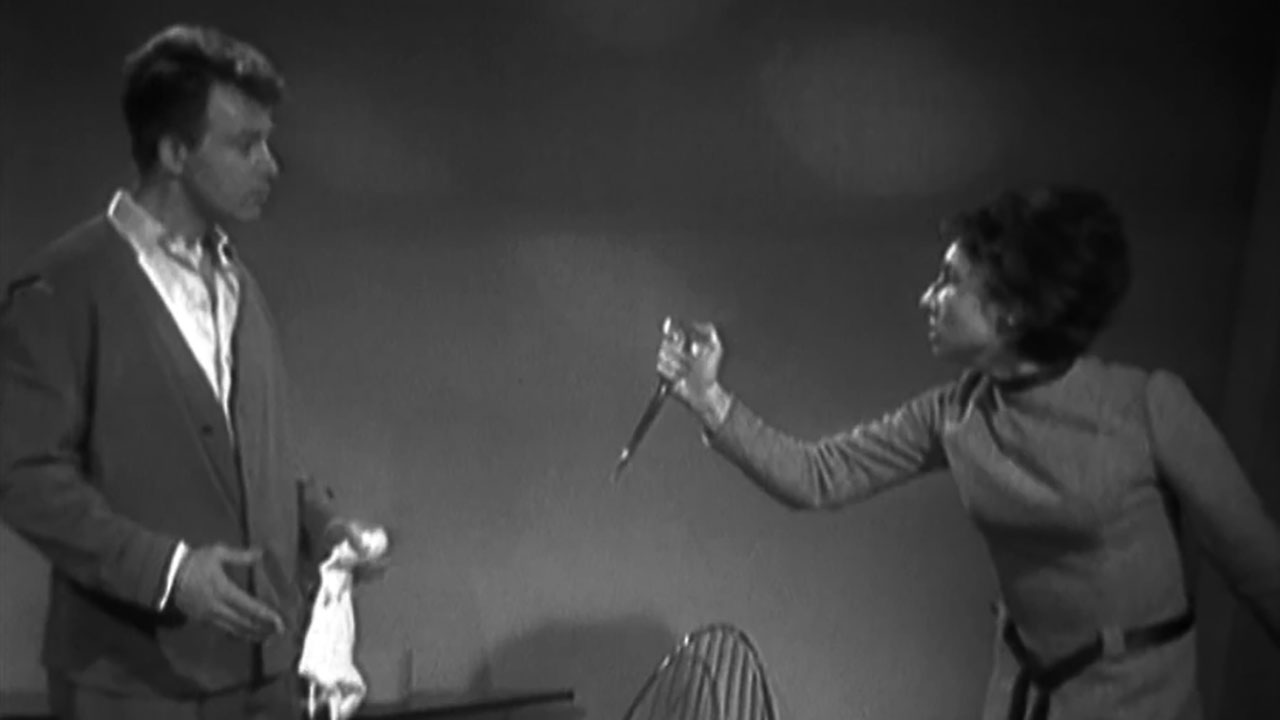
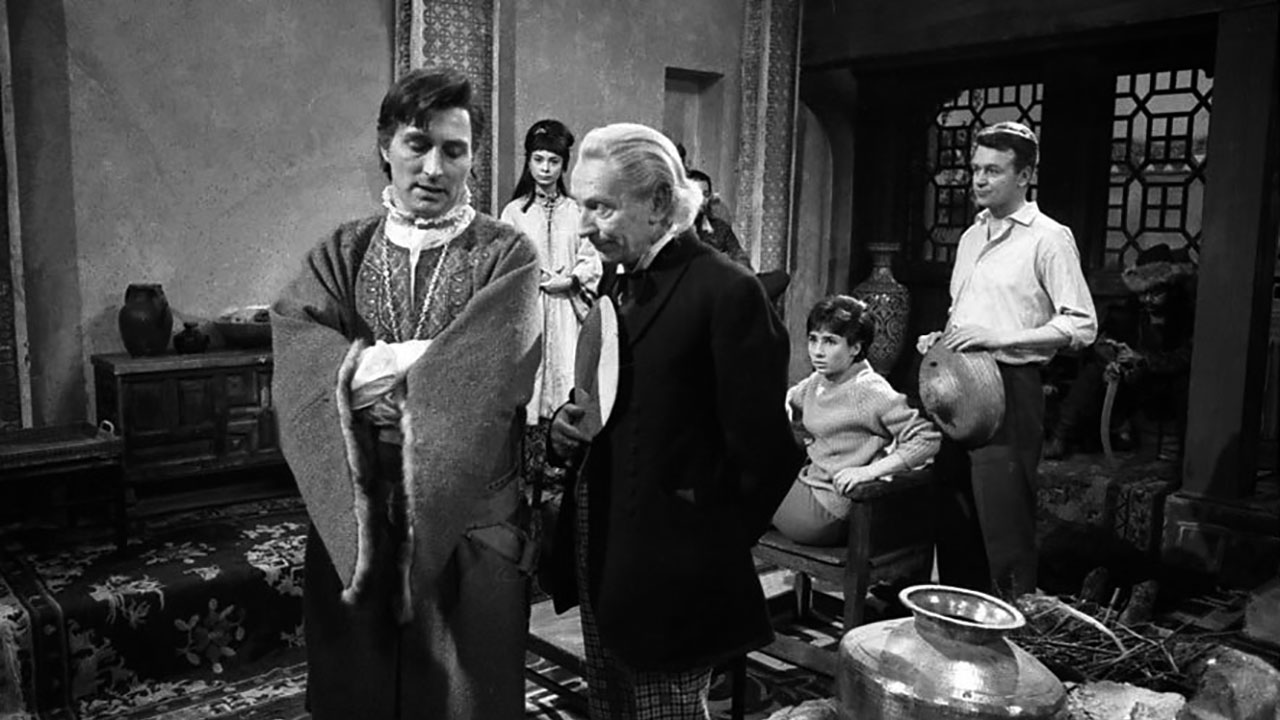
  • The Doctor makes cocoa and gets engaged in Doctor Who: The Aztecs

    The Doctor makes cocoa and gets engaged in Doctor Who: The Aztecs

    Continuing my full Doctor Who rewatch (previously: The Keys of Marinus). Watched on Britbox.

    Just when I was beginning to fear that I don’t actually like Doctor Who as much as I thought I did, I come to the best serial so far. Deeper into this rewatch, maybe I’ll get a sense of what I haven’t been connecting with so far: is it the mid-60s British culture, William Hartnell in particular, or maybe just the vibes? So far, I would say I definitely prefer the historical stories over the sci-fi; the latter definitely seem to be more deliberately aimed at children. The historical stories seem to have a bit more wit and substance to engage an adult’s attention, while still doing the job of entertaining and educating kids.

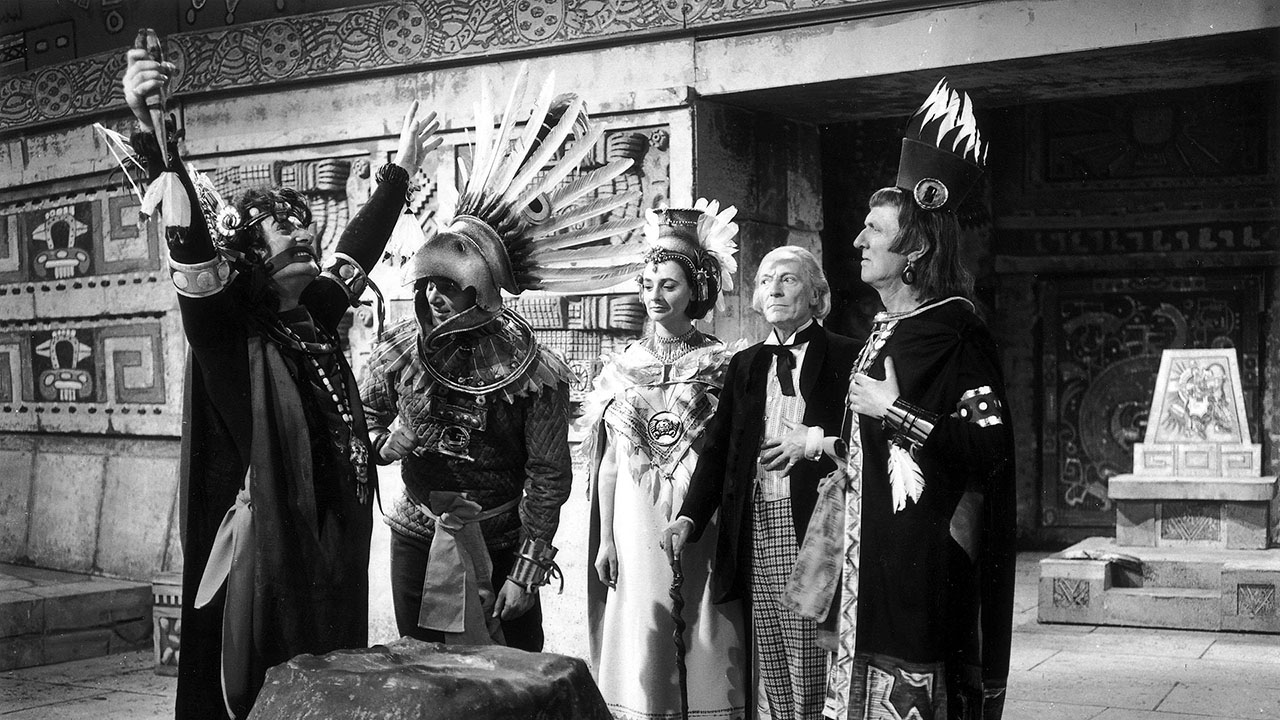
    The Aztecs is a tight four episodes, with plenty of subplots involving most of the cast, and little padding. There’s some interesting debate between Barbara and the rest of the gang about how and whether to intervene in the culture of others — ostensibly within the context of sci-fi time travel ethics, but they’re clearly grappling with being self-conscious tourists blundering around in a culture alien to them. There’s action/adventure, a very prominent role for Barbara, a romance for The Doctor, a bromance for Ian, and the kind of iconic Doctor Who dialogue one might associate with the Tom Baker or Matt Smith eras: “Yes, I made some cocoa and got engaged.”

    Tlotoxl is much more interesting than most Doctor Who antagonists; he’s neither crazy nor a mindless monster, but rather a clever Machiavelli, Merlin, or Littlefinger type. He’s clear-eyed and rational about the sudden arrival of a bunch of weird strangers, when everybody else is quick to assume the supernatural. Barbara threatens his game-of-thrones-style power schemes, and you can almost feel for him.
  • Even wise spacemen misplace their keys: Doctor Who: The Keys of Marinus

    Even wise spacemen misplace their keys: Doctor Who: The Keys of Marinus

    Continuing my full Doctor Who rewatch (previously: Marco Polo). Watched on Britbox.

    To later Doctor Who fans who discovered the show in the 70s, 80s, or 00s, one of the most immediately striking aspects of the early years is the sheer number of episodes in each season. With such a vast episode count to write for, it seems the production team quickly hit on the winning idea of setting up long strings of episodes with loose framing devices.

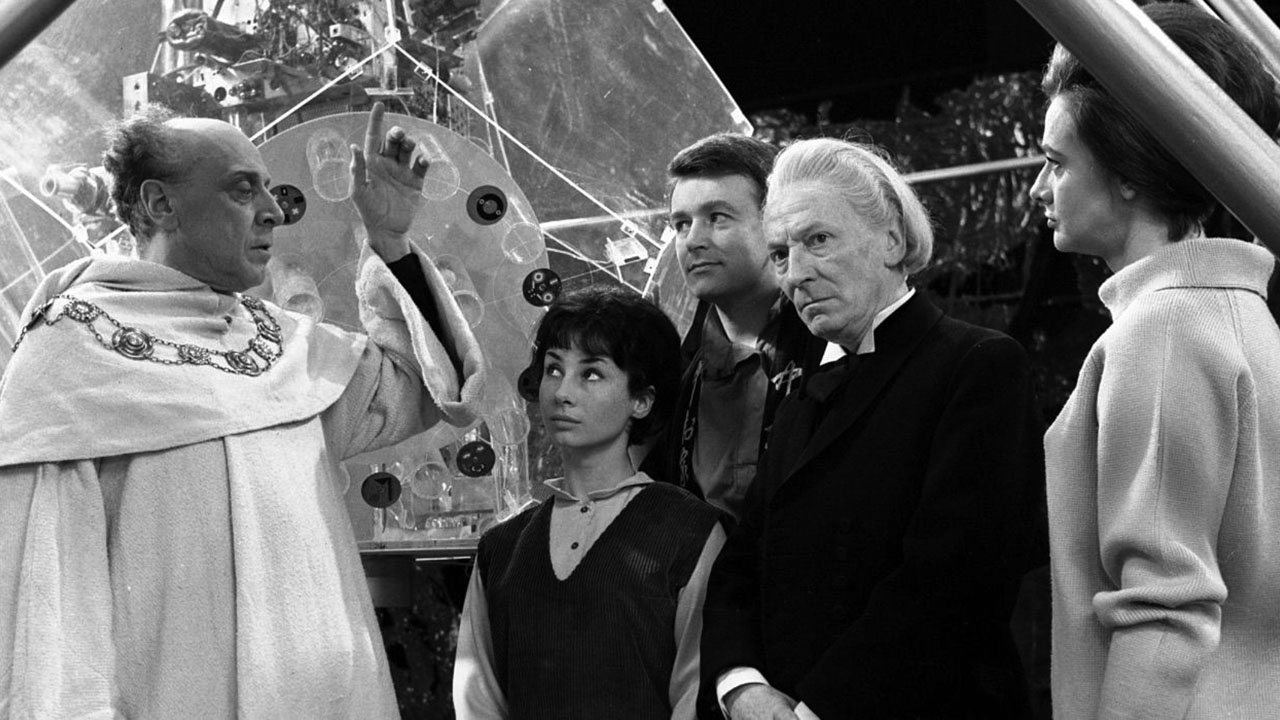
    So the biggest strength of the first of these, The Keys of Marinus, is its sheer variety. It never stays too long in any one location, supporting characters and monsters don’t linger long enough for us to get bored with them, and the plot doesn’t get bogged down in the usual cycle of capture and escape. Its structural conceit is ahead of its time in the sense that it will seem very familiar to later generations that played video games with plots that amounted to exploring different environments to collect a set of keys to unlock a big puzzle at the end.

    But it is sometimes a slog nevertheless, including a superfluous episode set in a mountain cave, which already looks to be a hallmark of returning writer Terry Nation. A similar episode was a welcome break in The Daleks, but in this context it does seem like a failure of the imagination.

    Putting the audience in Barbara’s POV in episode two is effective, and for once the script allows her to be the proactive hero, and not a plot device in need of rescue. But later episodes revert to treating the character as stereotypically passive. And Susan, originally introduced as a mysterious weird teenager, so important that the first serial was named after her, here seems to have been written as a child. But I remind myself this is 1964, the age of Beatlemania and teenagers first asserting themselves as a demographic, which utterly bewildered and frightened their elders, who hadn’t experienced anything like it in their own youth.

  • All the mysteries of the skies: Doctor Who: Marco Polo

    All the mysteries of the skies: Doctor Who: Marco Polo

    Continuing my full Doctor Who rewatch (previously: The Edge of Destruction). Watched on The Internet Archive.

    With only the fourth-ever Doctor Who serial, we already encounter two significant landmarks: the first true “historical”, and the first gap. The entirety of the elaborate seven-episode epic Marco Polo is missing.

    Not to get sidetracked on the topic of missing episodes, but: it’s reasonable for the BBC to erase and reuse the expensive videotape format used during production, but to then later deliberately destroy all copies does seem inexcusably short sighted, especially since the practice continued well into the late 70s. There’s more lingering heartache about lost Doctor Who than almost anything else the BBC junked, including precious Beatles appearances.

    The unofficial “Loose Cannon” fan-made reconstructions available on the Internet Archive are more watchable than I had been warned. For the uninitiated, these are the full original soundtracks, accompanied by surviving stills and production photos. Wikipedia states that there is an unusually copious amount of imagery for Marco Polo, so perhaps later reconstructions won’t go down as easy. Still, all that said, I found the experience much less engaging than the moving image, only slightly removed from a podcast or radio drama.

    Despite the low-quality images, it’s apparent Marco Polo was an impressively lavish studio production, certainly compared to the previous three serials. I predict I will make the following observation for every historical to come: if they look better than the sci-fi serials, I’m imagining BBC warehouses full of props and costumes for almost any historical period the Doctor Who production team might want.

    There isn’t much material for Barbara in this story. And seen through today’s eyes, it definitely reads as if Ping-Cho and Susan fall in love.

  • Susan runs with scissors in Doctor Who: The Edge of Destruction

    Susan runs with scissors in Doctor Who: The Edge of Destruction

    Continuing my full Doctor Who rewatch (previously: The Daleks). Watched on Britbox.

    I had already seen the first two serials, but from here on, the remainder of season one is entirely new to me.

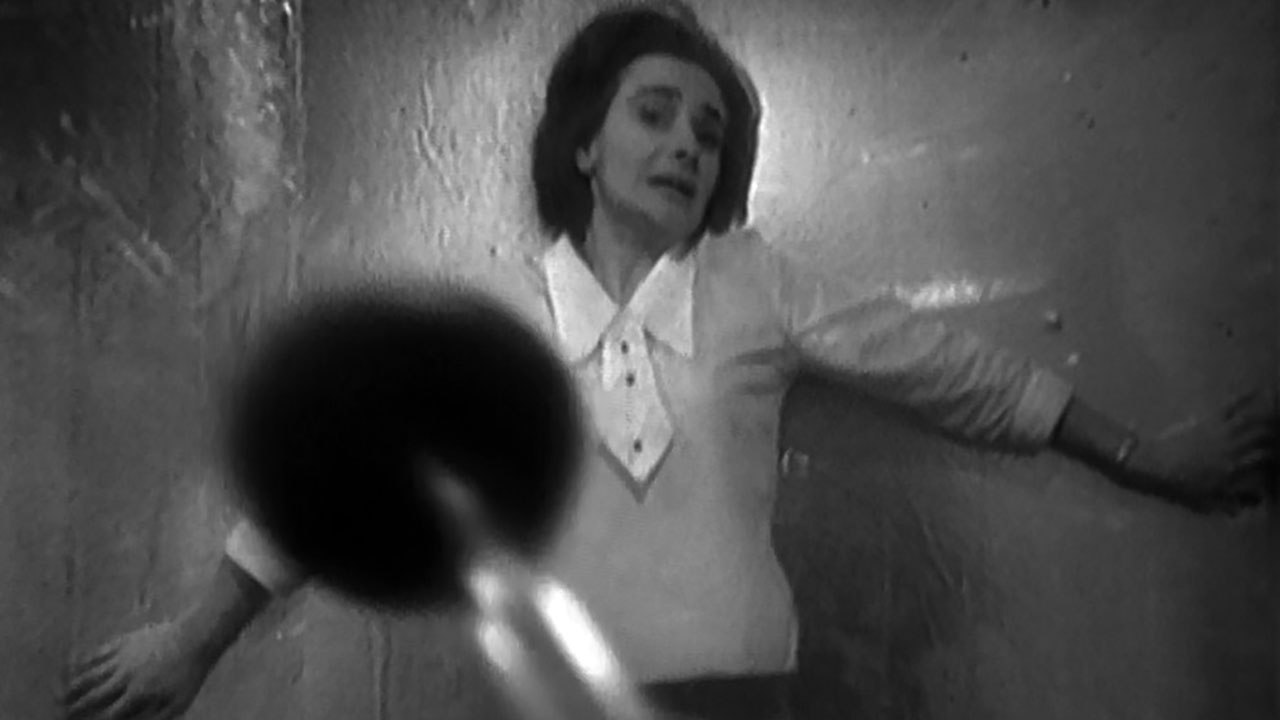
    The Edge of Destruction is the surely most metal of all Doctor Who titles, belying what it actually is: a budget-saving two episode interlude, with no new sets or supporting cast required. And considering its actual plot, a more fitting title might be something like Susan Runs With Scissors or Doctor Who and the Curse of the Broken Spring.

    Runner-up for the second most metal title: The Ambassadors of Death. As for the least, maybe Delta and the Bannermen?

  • The Daleks keep a vegetable garden in Doctor Who: The Daleks

    The Daleks keep a vegetable garden in Doctor Who: The Daleks

    Continuing my full Doctor Who rewatch (previously: An Unearthly Child). Watched on Britbox.

    Ian starts, or rather, restarts a war. In today’s terms, is he a revolutionary freedom fighter, or a neoconservative war hawk interventionist? Probably the former, as he acts out of principle, and does not stand to profit from the conflict. So he’s certainly an outside agitator, albeit unpaid, and he does it all in a sensible sweater.

    I discovered and immediately loved Doctor Who during the Tom Baker years, but never warmed to earlier eras. The Daleks is unfortunately a prime example of what makes the early episodes trying for later fans: overlong, repetitive, humorless, outmoded. Everyone complains about the one episode set largely in a cave. While it’s true this sequence is a mostly irrelevant narrative detour that doesn’t advance plot or character much, it is one of the few incidents that stands out to me, after sitting through this already overlong story a second time. The spelunking adventure is a welcome change of scenery, and a reprieve from the already-tired repetitive capture/escape cycle.

    For a show of this vintage, one must of course be prepared to roll one’s eyes at inevitable outrages regarding politics, race, gender, and any other topic we’ve become more enlightened about over time. But even so, The Daleks is built around a problematic sci-fi premise that I’m not sure it knows what to do with. The survivors of both sides of a nuclear war are hideously mutated, but over generations, one side seals themselves into protective armor and becomes (or remains?) hateful and aggressive, while the other evolves into fair-skinned blonde pacifists. The Twilight Zone-esque twist is, the latter become the oppressed people.

    What are we to make of this story today? Then and now, audiences can agree that the Daleks’ dehumanized mechanization is clearly the worst outcome, but in today’s political climate where white majorities are claiming persecution despite centuries of evidence to the contrary, it’s just plain icky to posit that the Thals’ aryan appearance is the idealized endpoint of natural evolution, and representative of goodness.

    As enemies, the Daleks have not yet accumulated the baggage of being The Doctor’s oldest enemies. They’re plainly Nazi-coded, but not yet the all-powerful intergalactic embodiment of evil. Interesting to note that they are portrayed as incredibly paranoid and insecure, from the very beginning. They constantly shriek that they are superior and in charge, even as their plans repeatedly fail and everything falls apart around them. An evergreen metaphor, all the way up to today’s Trumpism.

    Nice of the Daleks to keep a vegetable garden. Perhaps they have a shed ’round the back?